
By Jordan P. Kelley July 6, 2026
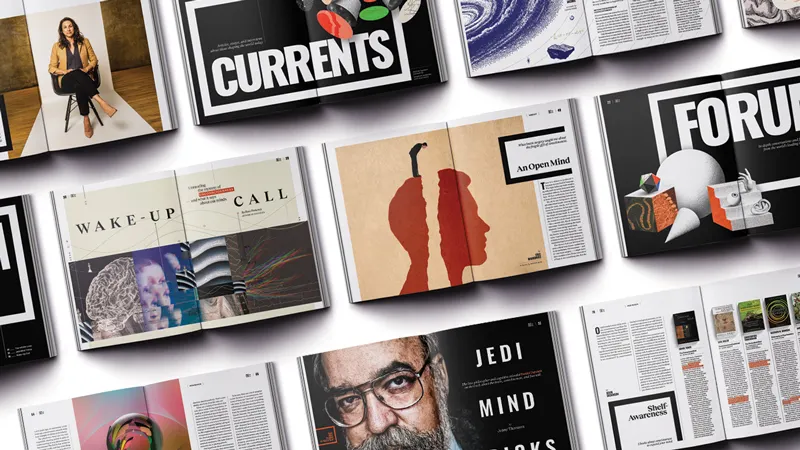
Content has never been cheaper to produce. Most media organizations responded to that reality by producing more of it. Sean McVey, CMO and Publisher of Big Think, responded by publishing less.
That’s not a contrarian posture. It’s a considered bet on what actually holds attention when attention is the scarce resource, not content. At Big Think, which reaches 20 to 30 million people each month through a mix of editorial, video, membership, and a recently launched print magazine, McVey has spent seven years building an audience defined not by age or income bracket but by intellectual appetite. The demand gen veteran who grew B2B revenue from under a million dollars to twenty million in three years eventually concluded that the performance metrics follow the brand, not the other way around, and that the clearest sign of editorial discipline is knowing what not to publish.
In this conversation, McVey talks about what the CMO and Publisher roles actually require of each other, how he thinks about quality and volume as AI floods every channel with content, and why Big Think launched a print magazine when the rest of the industry was going the other direction.
You’ve been in marketing long enough to have built demand gen teams, run an agency, and ended up as both CMO and Publisher of one of the most recognized idea-driven media brands on the internet. When you describe what the job actually became at Big Think, not the job description, how do you explain it?
My background is a bit of a mishmash. I came into this role seven years ago as a marketer and, honestly, didn’t really know what a “Publisher” was. These days, while marketing is still baked into almost everything I do, I think of myself much more as the GM of our Editorial business.
The job has evolved into building an ecosystem where great ideas can spread. That means thinking less about individual campaigns and more about the entire flywheel: editorial, audience, membership, advertisers, creators, print, events. Becoming a Publisher forced me to zoom out. Instead of asking, “How do we optimize this campaign?” I started asking, “How do we build a product and business people want to keep coming back to?”
Running a media property that publishes 80 to 100 pieces a week across platforms is an operational reality most CMOs don’t face. How did you think about quality and volume at that scale, and where did you draw the line?
Early on, I thought scale itself might be a competitive advantage. Publish more, cover more topics, be everywhere. What I’ve come to believe is almost the opposite.
Today we actually publish less than we used to. Not because we can’t produce more, but because attention has become a scarce resource (not content). Every article, video, or social post has to earn its place.
The challenge wasn’t managing volume. It was deciding what not to publish. We became much more disciplined about saying no to OK ideas so we could spend more time on the great ones. I’d rather have one piece that shapes the conversation than ten that simply participate in it.
Operationally, that meant building systems and workflows that made consistency possible. But strategy-wise, it meant getting much more focused. In a world where AI can generate an endless stream of content, I think media brands win by having a sharper point of view, not a higher output.
Big Think’s audience is defined by curiosity and intellectual appetite, not a demographic. How did you translate that into a marketing strategy that could drive both B2C community growth and a B2B revenue engine at the same time?
When building a business that relies on sponsors, the instinct is to get laser-focused on a demographic. It’s tempting to say, “Let’s go chase 35-year-old finance professionals.” We decided to do the opposite and focus on attracting people who share a particular worldview: lifelong learners. People who love going deep on topics to better understand themselves and the world around them. Our editorial and marketing decisions flow from that.
The tradeoff is that our audience isn’t as easy to package as a traditional trade publication’s. But the upside is much bigger. We reach 20–30 million people each month and attract an unusually diverse mix of curious thinkers. That has helped us carve out a unique place in a media ecosystem that’s increasingly defined by algorithms and echo chambers.
You came up through demand generation. Does that background still show up in how you approach brand-first work, and has your view of that tension changed over time?
We have a great demand gen team that sells everything from learning products to brand storytelling campaigns, so I’m not very involved in that day-to-day anymore. But I lean on my digital marketing background constantly in the world of editorial and brand building.
The best recent example is Big Think Memberships, our consumer subscription business. Launching it required a healthy mix of product thinking, digital marketing, and brand building. It was fun to dust off my funnel marketing hat and work backward from growth projections into conversion optimization, pricing, messaging, and all the other marketing nerd territory.
What’s become much clearer to me over the years is that the best brand work creates future demand. If you build a trusted reputation with a specific audience, the performance metrics eventually follow. Customer acquisition gets cheaper, retention improves, lifetime value goes up. Brand and demand generation aren’t competing priorities… they’re just operating on different time horizons.
Can you walk me through a decision at Big Think that required real judgment and where the path wasn’t obvious, something where you’re not sure a different leader would have made the same call?
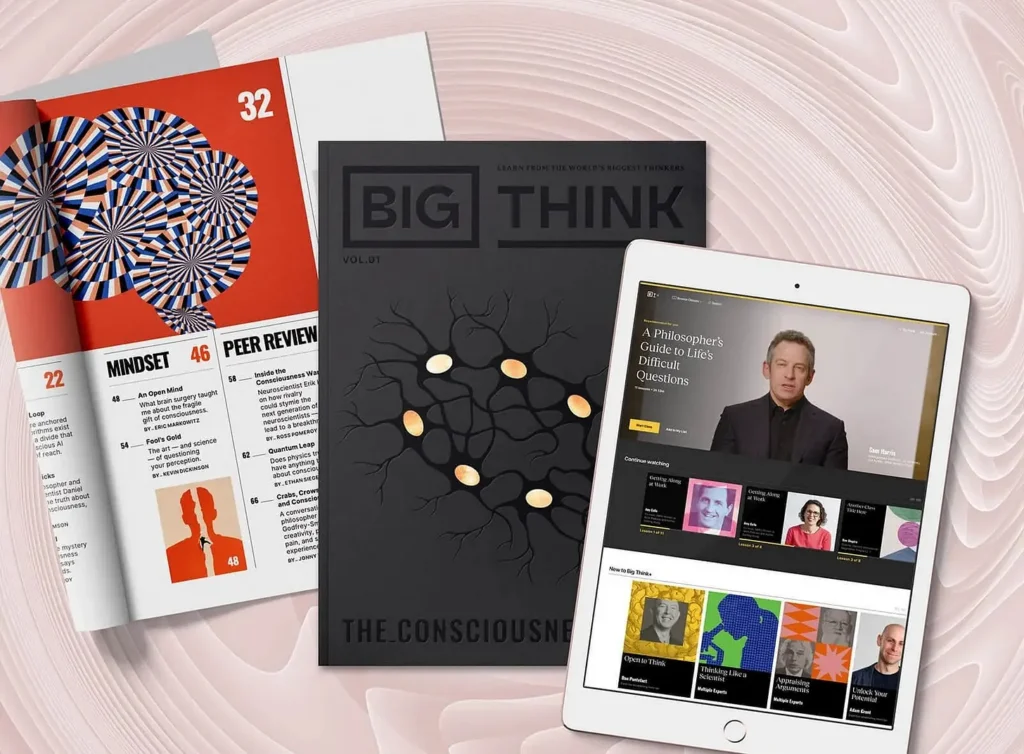
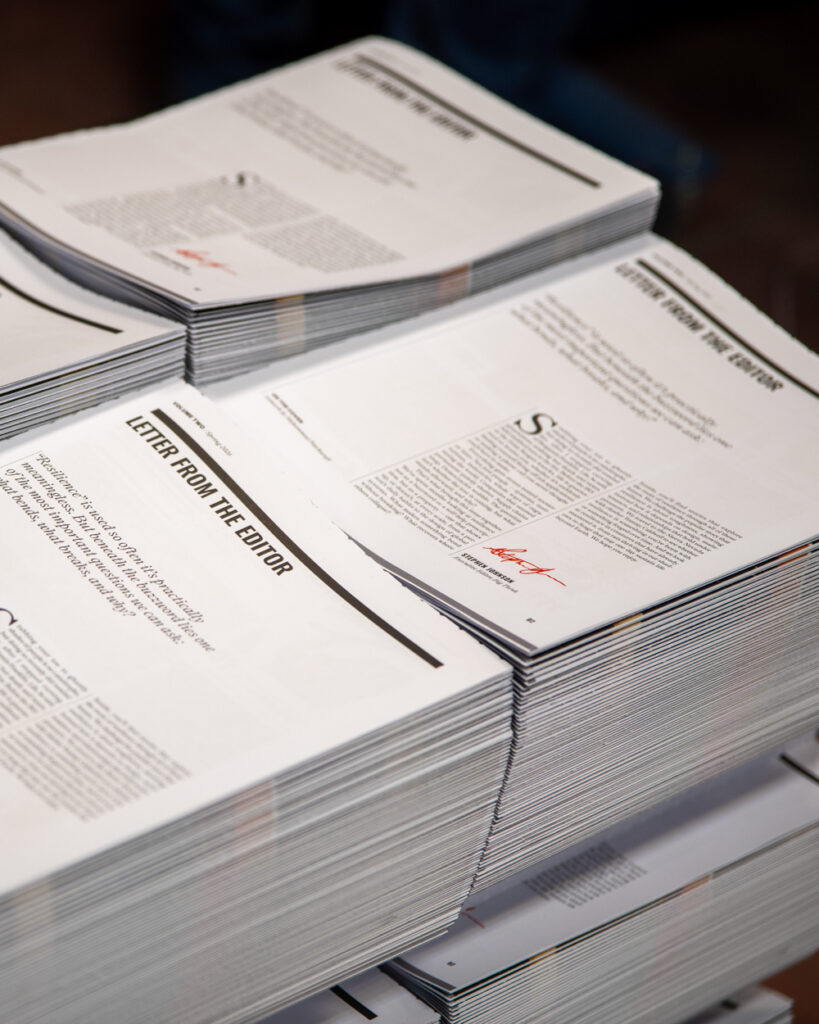
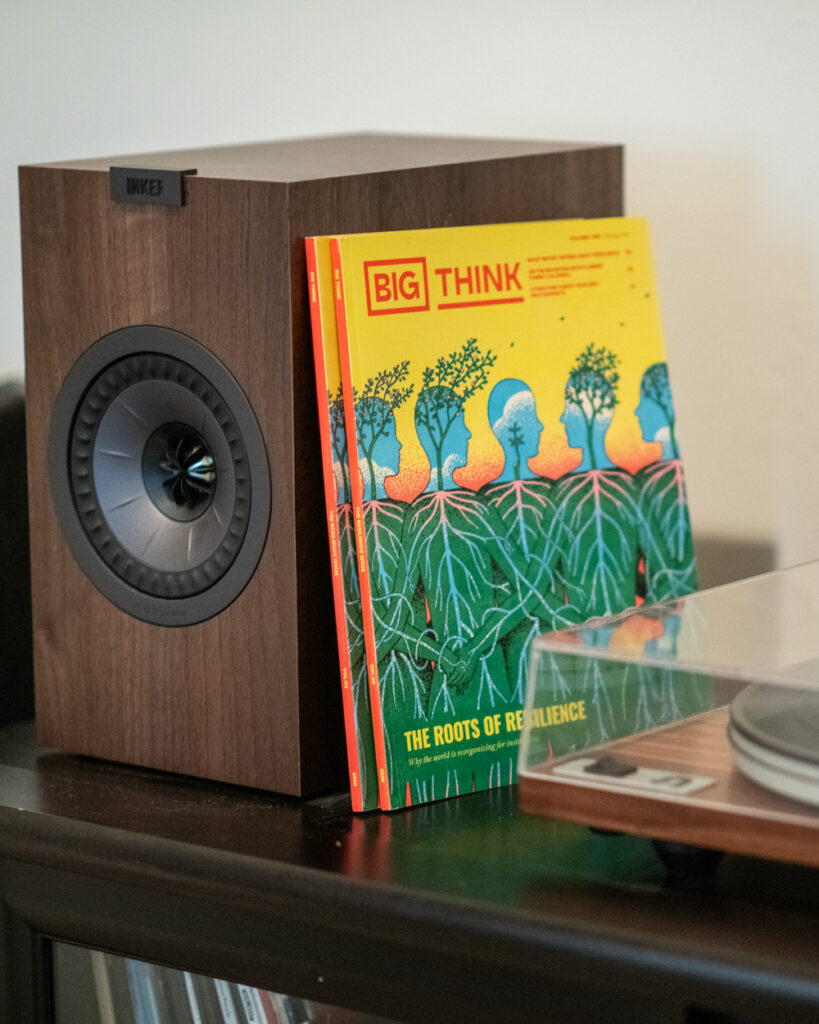
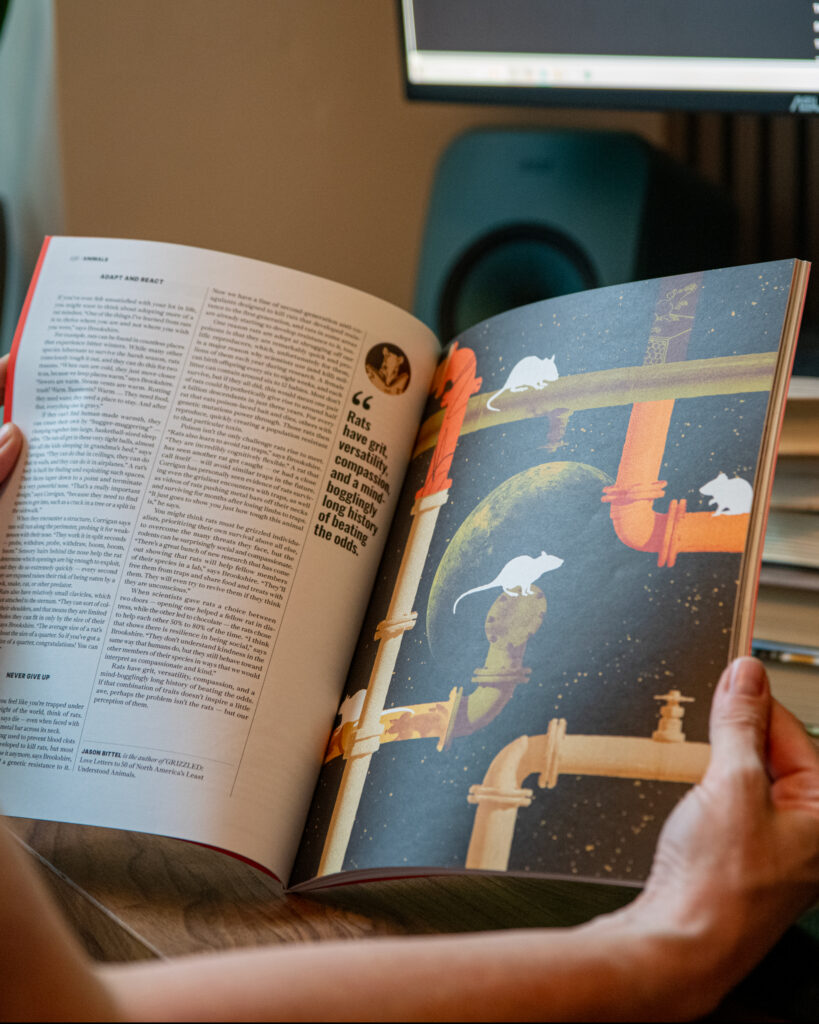
This past year we launched a quarterly print magazine for our paying members. We’d talked about doing something in print for years, but it always felt like one of those “wouldn’t it be nice someday?” ideas. And in a media world that’s become almost entirely digital, it wasn’t an obvious move.
What changed was our conviction that “in real life” experiences were becoming more valuable, not less. As audiences burn out on endless feeds and algorithmic content, thoughtfully made physical products start to feel differentiated. Alongside live events, we saw a print magazine as a way to deepen the relationship with our members instead of just giving them more digital content.
So far, it’s been one of the best decisions we’ve made. It’s become a meaningful differentiator in the membership, helped us attract incredible writers and artists, and given the editorial team something tangible to rally around. There’s something uniquely motivating about holding the finished product in your hands. In a business that’s increasingly ephemeral, creating something built to last feels pretty special.
There’s a lot of conversation about AI transforming media and marketing. At a company whose entire premise is big ideas about the future, where are you actually seeing it change how work gets done, and where is the reality out of accord with the conversation?
We don’t believe AI will replace our people. We do believe it will enable them to create things that were previously unimaginable. We have ambitious goals and aspire to compete with the biggest publishers in the world. AI accelerates that timeline. Whether it’s research, packaging, experimentation, building internal tools, or automating production workflows, we’re finding new ways to move faster every week.
What’s not changing is just as important: taste, judgment, original access, editorial courage, and knowing what deserves attention. AI may dramatically lower the cost of production, but it doesn’t lower the cost of good judgment. If anything, judgment becomes more valuable as content becomes more abundant.
People don’t come to Big Think because we can produce more content. They come because they trust us to produce better content. Work that’s open, thoughtful, curious, and constructive. AI helps us make that work but it doesn’t define it.
Looking at where media companies are headed, with audience fragmentation, AI-generated content flooding every channel, and platform dependency, what does a media brand actually have to be to hold attention and drive revenue five years from now?
If you figure that out, please let me know!
In all seriousness, we’re betting that there will always be an audience for smart, thoughtful media that wrestles with big ideas. We think we’re well positioned to offer something increasingly rare: balanced journalism that doesn’t play into the rage-bait algorithm, but instead helps people better understand the world and how to thrive within it.
In practice, that means staying committed to long-form storytelling, exploring multiple perspectives, and being comfortable not always having the answer. We believe the most important questions rarely have simple answers. If we’re right, media brands won’t win by shouting the loudest. They’ll win by becoming the places people trust when the world gets more complicated.